
Learn
Blog


Despite rapid advances in additive manufacturing, creating fixtures has traditionally depended on complex CAD workflows, specialized expertise, and lengthy approval cycles. The result? Hidden bottlenecks that delay production, increase costs, and limit scalability.

Modern manufacturing demands flexibility, speed, and efficiency. Yet traditional production methods often require high minimum order quantities, expensive tooling, and long lead times. For manufacturers working with low-volume parts, custom components, jigs, fixtures, or replacement items, these constraints can increase costs, create excess inventory, and slow down operations.
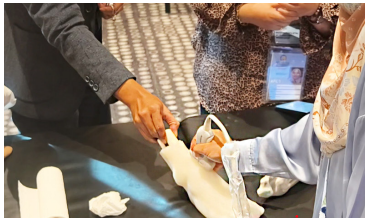
Manufacturers today face mounting pressures: the need to innovate faster, reduce costs, and meet increasingly customised demands. Traditional production methods, while reliable, often struggle to deliver the speed and flexibility required in today’s global market.
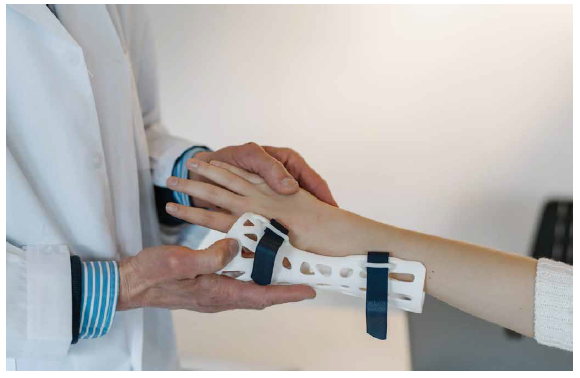
Manufacturers today face mounting pressures: the need to innovate faster, reduce costs, and meet increasingly customised demands. Traditional production methods, while reliable, often struggle to deliver the speed and flexibility required in today’s global market.
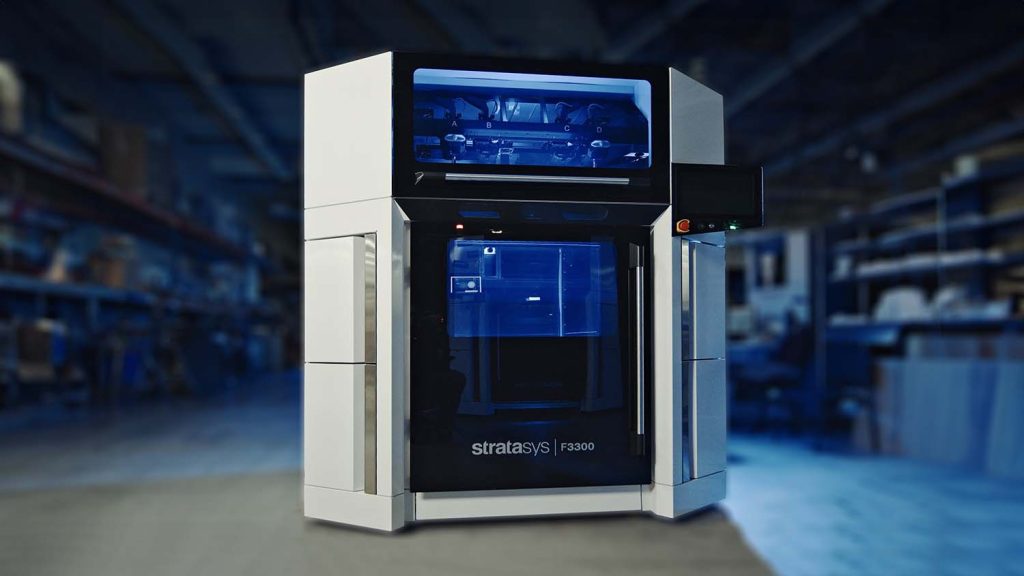
As we move into the second half of 2025, 3D printing continues to evolve from a prototyping tool to a full-fledged manufacturing solution—and Malaysia is not sitting on the sidelines.

As industries embrace digital transformation, the demand for precise indoor tracking solutions has surged. Whether it's monitoring assets in a warehouse, ensuring patient safety in hospitals, or optimizing workflows in manufacturing,

If you’ve been hitting these roadblocks, it might be time to explore Selective Absorption Fusion (SAF)™ technology by Stratasys — a game-changer for high-volume, industrial-grade polymer printing.

3D printing technologies provide many benefits to the automotive industry. In fact, 3D printing offers time and cost-saving solutions at each phase in the automotive production process including product development, production support and part production.
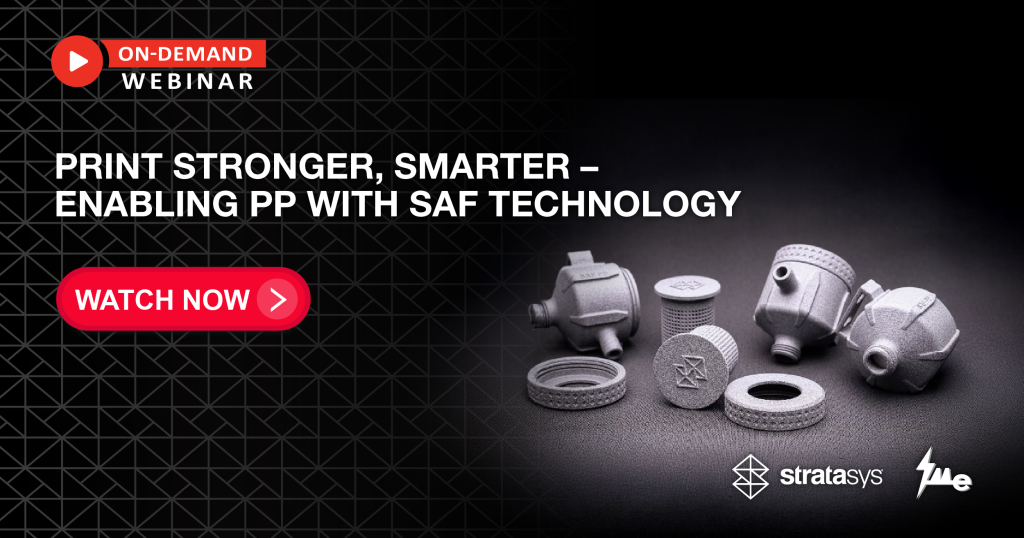

Companies are adopting additive manufacturing for prototyping, low-volume production, and custom parts. The aerospace, medical, and automotive industries have been particularly quick to adopt this technology.

Let’s explore the Additive Manufacturing (AM) development of new technologies, and learn about different types of materials used in AM

The healthcare industry has always been a big adopter of 3D printing in sufficing a wide spectrum of needs ranging from anatomy modelling to custom prosthetics. We have seen 3D printing easing the burden of supply chain with on-demand production of personal protection equipment and medical devices in the heat

How do you get full control over the steps, from design to your 3D printed part? Watch this webinar as we show you the tools for STL files that are optimised for additive manufacturing, while taking advantage of Stratasys colour and multi-material capabilities in Materialise Magics software

Are you looking for solutions for low volume, customised, batch production parts on demand? Watch this webinar and learn more about 3D printing for batch production.

Looking to up-skill yourself while working from home? Take this opportunity to learn Design Optimisation technology and ensure a seamless 3D design to product manufacturing process with Additive Manufacturing

Adaptus Design System Sdn. Bhd. is the communication and design subsidiary of GDP Architects, a Malaysian architecture and design practice established in 199

The subsequent introduction of the Stratasys PolyJet Research Package became a game changer for Ross Stevens, Senior Lecturer for Industrial Design and Co-Founder of MADE (Multi-property Additive-manufacturing Design Experiments) at the Victoria University of Wellington in New Zealand.

Kinetic Vision, a large product development consulting firm based in Cincinnati, Ohio, does a little bit of everything.


In this video, we explore some of the unique features and benefits of the J35 Pro when compared to Desktop resin printers, including time-to-part, parts accuracy, ease of use and cost of ownership.

Watch the video below on how Daikin Applied utilizes the Stratasys F770 to lead the HVAC industry.

The printed concept is less expensive and has a very solid touch from the FDM technology using 3D Espresso. It does not require any support material in the process and as the printing bed is limited, the trophy is printed in three different STL files, which includes the globe, the
Despite rapid advances in additive manufacturing, creating fixtures has traditionally depended on complex CAD workflows, specialized expertise, and lengthy approval cycles. The result? Hidden bottlenecks that delay production, increase costs, and limit scalability.
Modern manufacturing demands flexibility, speed, and efficiency. Yet traditional production methods often require high minimum order quantities, expensive tooling, and long lead times. For manufacturers working with low-volume parts, custom components, jigs, fixtures, or replacement items, these constraints can increase costs, create excess inventory, and slow down operations.
Manufacturers today face mounting pressures: the need to innovate faster, reduce costs, and meet increasingly customised demands. Traditional production methods, while reliable, often struggle to deliver the speed and flexibility required in today’s global market.
Manufacturers today face mounting pressures: the need to innovate faster, reduce costs, and meet increasingly customised demands. Traditional production methods, while reliable, often struggle to deliver the speed and flexibility required in today’s global market.
As we move into the second half of 2025, 3D printing continues to evolve from a prototyping tool to a full-fledged manufacturing solution—and Malaysia is not sitting on the sidelines.
As industries embrace digital transformation, the demand for precise indoor tracking solutions has surged. Whether it's monitoring assets in a warehouse, ensuring patient safety in hospitals, or optimizing workflows in manufacturing,
If you’ve been hitting these roadblocks, it might be time to explore Selective Absorption Fusion (SAF)™ technology by Stratasys — a game-changer for high-volume, industrial-grade polymer printing.